-
 play_arrow
Seductive Vibes Radio For the Lovers… and the Lovers of Music

Then And Now R&B
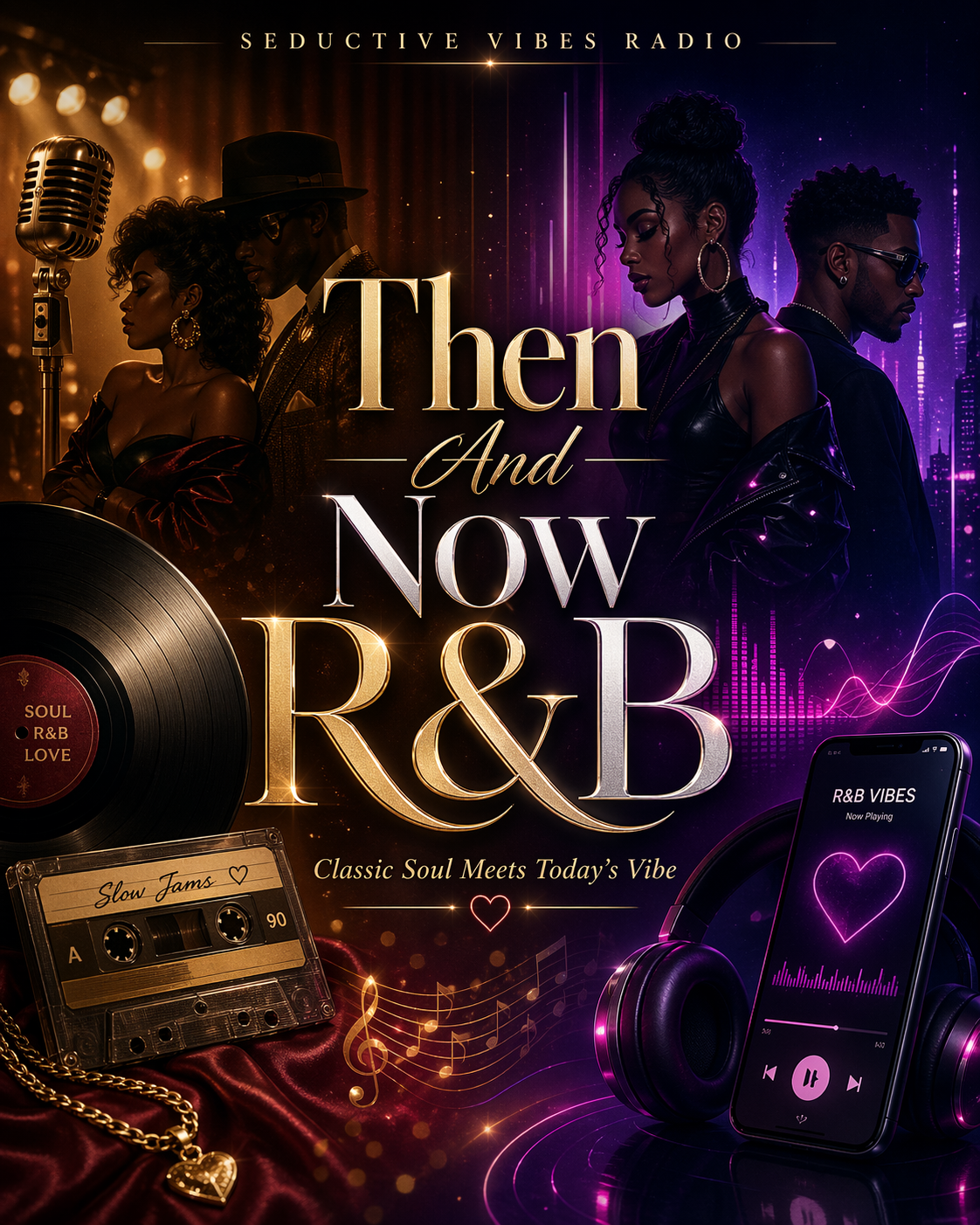
When you think about R&B, do you lean more towards the emotional depth of classic hits or the fresh sounds of modern tracks? Each era offers a unique perspective that resonates differently with listeners. Classic R&B is all about heartfelt storytelling, while modern artists push boundaries with innovative themes. This contrast raises an important question: which time truly defines the essence of R&B? The answer might surprise you as we explore the evolution of this genre.
The Roots of R&B: What Defines the Classic Era?
When you dive into the roots of R&B, you’ll discover a vibrant blend of musical influences that defined its classic era.
Originating in the 1940s and 1950s, R&B emerged from jazz, blues, and gospel, creating a sound that resonated with deep emotion and rhythm. You’ll hear the soulful melodies and strong backbeats that invite you to move.
The genre’s focus on storytelling connects you to the experiences of love, heartache, and joy. It’s characterized by its use of brass instruments, piano riffs, and expressive vocals, all coming together to create something truly unique.
As you explore these elements, you’ll appreciate how they shaped not just R&B, but the entire landscape of popular music that followed.
Iconic Artists Who Shaped Classic R&B and Their Legacy
The landscape of classic R&B is painted with the voices of iconic artists whose influence still resonates today. You can’t discuss this genre without mentioning legends like Aretha Franklin, whose powerful vocals and emotional depth set a new standard.
Marvin Gaye’s smooth delivery and socially conscious lyrics captured hearts and minds alike. Then there’s Stevie Wonder, blending genres and crafting timeless hits that remain staples at celebrations.
The impact of these artists extends beyond their music; they’ve paved the way for generations, inspiring countless musicians. Their legacies live on, shaping the sound and soul of R&B.
When you listen to their songs, you’re reminded of the richness and depth that defines classic R&B, connecting past and present.
How Classic and Modern R&B Differ?
While classic R&B laid the foundation with its rich melodies and heartfelt lyrics, modern R&B often embraces a more eclectic sound, incorporating elements from hip-hop, electronic, and pop.
You’ll notice that classic R&B focuses on storytelling, expressing deep emotions through smooth vocals and instrumental arrangements. In contrast, modern R&B leans heavily on production techniques, using auto-tune and layered beats to create a fresh vibe.
Lyrically, classic artists sang about love and heartbreak, while today’s songs often explore themes of empowerment, sexuality, and self-discovery.
Additionally, modern artists frequently collaborate across genres, creating a diverse musical landscape. Overall, while both styles share roots, their approaches to sound, production, and subject matter highlight the evolution of R&B over the decades.
Modern R&B: Key Artists and Their Impact
Modern R&B has been shaped by a diverse array of artists who push the boundaries of the genre. You can see this influence in figures like Frank Ocean, whose introspective lyrics and unique sound redefine what R&B can be.
Then there’s SZA, blending pop, hip-hop, and soul to create an authentic voice that’s resonated with many. H.E.R. combines traditional instrumentation with contemporary themes, showcasing the genre’s evolution.
Khalid, with his smooth vocals and relatable storytelling, connects deeply with younger audiences. These artists, among others, not only challenge musical norms but also address pressing social issues, making their impact far-reaching.
Key Lyrical Themes in Classic vs. Modern R&B
Classic and modern R&B both explore deep emotional connections, yet their lyrical themes reveal distinct differences shaped by cultural context.
In classic R&B, you’ll find themes of love, heartbreak, and longing, often articulated through poetic storytelling and rich metaphors. Artists like Marvin Gaye and Aretha Franklin focused on personal relationships, societal struggles, and the quest for love, creating timeless narratives.
In contrast, modern R&B often delves into more contemporary issues, such as self-empowerment, mental health, and sexuality.
Songs by artists like SZA and Frank Ocean reflect a raw authenticity, touching on vulnerability and personal growth. This shift emphasizes individual experiences, revealing how both eras connect emotionally but with different societal influences shaping their messages.
Production Techniques: Then vs. Now
As technology evolved, so did the production techniques in R&B, transforming how artists create and present their music.
In the past, musicians relied on live instruments and analog recording methods, giving tracks a warm, organic feel. You could hear the raw emotion in every note.
Nowadays, digital platforms dominate, allowing producers to manipulate sounds with precision. You’ve got access to endless samples, virtual instruments, and advanced software, making it easier to experiment.
While some argue modern techniques lack the soul of the past, others appreciate the innovation and diversity they bring.
The ability to collaborate remotely means artists can blend styles and cultures, creating a richer tapestry of sound.
Each era has its merits, reflecting the artistic journey of R&B.
How R&B Has Shaped Culture Through the Years
R&B’s evolution in production techniques hasn’t only changed the sound but also significantly influenced cultural movements over the years. You can see how R&B artists have shaped conversations around love, identity, and social issues.
From the civil rights anthems of the ’60s to today’s songs addressing mental health and empowerment, R&B has consistently reflected the times. The genre has brought visibility to marginalized voices, helping listeners connect with diverse experiences.
When you listen to these tracks, you’re not just enjoying music; you’re engaging with a rich tapestry of cultural narratives that challenge norms and inspire change. R&B’s heartbeat resonates beyond the music, driving societal conversations and fostering a sense of community among fans and artists alike.
Fan Perspectives: Classic vs. Modern R&B Preferences?
What draws you to the smooth melodies of classic R&B versus the innovative sounds of modern artists? Many fans cherish classic R&B for its heartfelt lyrics and rich instrumentation, evoking deep emotions and nostalgia.
Think of the timeless voices of legends like Marvin Gaye and Aretha Franklin, whose songs resonate with universal experiences of love and heartache.
On the flip side, modern R&B offers fresh perspectives and genre-blending creativity. Artists like H.E.R. and Khalid take risks, incorporating elements of hip-hop and electronic music, appealing to a new generation.
You might appreciate the way these contemporary sounds reflect today’s realities while pushing musical boundaries.
Ultimately, whether you lean toward the classics or modern vibes, both eras contribute uniquely to R&B’s rich tapestry.
The Future of R&B: Where Is the Genre Headed?
How will R&B continue to evolve in the coming years? You’ll likely see the genre blending even more with hip-hop, pop, and electronic music.
Artists are experimenting with diverse sounds, creating fresh and innovative tracks that push boundaries. As technology advances, you might notice a rise in DIY music production, giving aspiring artists more control over their sound.
Social media will also play a significant role, helping new voices gain recognition quickly. Themes of personal experiences and social issues will remain central, resonating with listeners on a deeper level.
As collaborations increase globally, you can expect cultural influences from around the world, enriching R&B’s tapestry. Ultimately, the future looks bright, promising an exciting landscape for both artists and fans.
Conclusion
In the end, whether you lean towards classic or modern R&B, both eras offer something special. Classic R&B brings emotional depth and timeless stories, while modern artists push creative boundaries and tackle contemporary issues. Each style enriches the genre in its own way, reflecting the evolution of music and culture. So, embrace your favorites, explore both worlds, and appreciate how R&B continues to shape our lives and connect us across generations.

HOT NOW

Biggest Takeaways From Pooh Shiesty’s New Album ‘All Eyes On Shiest’

Lil Durk Hit With 4th Superseding Indictment Before Trial

Busta Rhymes Unveils J Dilla-Produced “SPAZZZ” Single

Lil Wayne Slides In ‘Teen Mom’ Rachel Beaver’s DM, She Was All For It

Foot Locker Teams Up With Method Man For Fresh Commercial Spot


Post comments (0)