-
 play_arrow
Seductive Vibes Radio For the Lovers… and the Lovers of Music

Alleged Victim of Diddy Is Suing 50 Cent Over “Distorted Account” In Netflix Diddy Docuseries
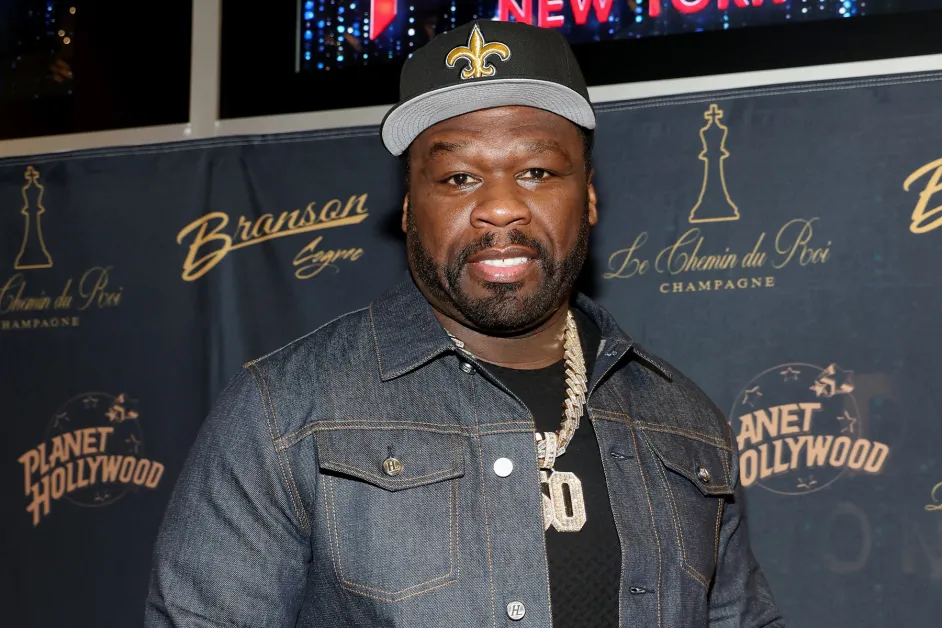
Cassie Ventura, the alleged victim in the Diddy controversy, is taking legal action against 50 Cent over claims made in a Netflix docuseries. She argues that his portrayal of her is a distorted account that damages her reputation. This lawsuit raises important questions about the impact of media narratives and the responsibility of filmmakers. As the situation unfolds, the implications for both Cassie and 50 Cent could be significant. What’s next in this unfolding drama?
Overview of Diddy’s Docuseries and Its Controversial Claims
As you delve into Diddy’s docuseries, you’ll encounter a whirlwind of controversial claims that have sparked intense discussions in the media.
The series dives into Diddy’s life, revealing personal anecdotes and behind-the-scenes moments that challenge public perceptions. Critics argue that some stories are exaggerated or misleading, fueling debates about their authenticity.
You’ll see prominent figures discussing Diddy’s influence on the music industry and the darker aspects of fame. The docuseries doesn’t shy away from exploring sensitive topics, which often leads to polarized opinions among viewers.
As you watch, it’s essential to consider the implications of these narratives, especially regarding the accountability of public figures and the impact on those involved.
This complex tapestry of claims leaves audiences questioning what’s real.
Who Is the Alleged Victim and What Are Her Claims?
Who exactly is the alleged victim in this high-profile case, and what claims is she making?
The alleged victim is Cassie Ventura, a singer and model who previously dated Diddy for over a decade.
In her lawsuit against 50 Cent, she argues that he misrepresented her experiences in a docuseries about Diddy, distorting her narrative.
Cassie claims the portrayal in the series isn’t only harmful but also damaging to her reputation.
She emphasizes that the depiction of her relationship with Diddy was taken out of context, leading to public misconceptions.
What Did 50 Cent Say About Diddy?
50 Cent has made headlines with his sharp remarks about Diddy, often using social media to air his grievances. He’s not shy about calling out Diddy, particularly in context of the recent Netflix docuseries.
You might recall how 50 Cent took to Instagram, mocking Diddy’s portrayal and questioning his credibility. He’s called Diddy “soft” and suggested that the docuseries is nothing more than a “distorted account” of events.
By sharing memes and pointed comments, 50 Cent’s aimed to undermine Diddy’s reputation. His ongoing feud with Diddy keeps fans entertained, as he doesn’t hold back in expressing his opinions.
You can see how 50 Cent thrives on controversy, making every opportunity count in their long-standing rivalry.
What the Lawsuit Claims About 50 Cent’s Actions
While the details of the lawsuit are still unfolding, it claims that 50 Cent’s actions have significantly impacted the alleged victim’s life.
The lawsuit alleges that 50 Cent spread false information about the victim in a Netflix docuseries, which has caused emotional distress and harm to their reputation.
By distorting the narrative, the lawsuit argues that 50 Cent hasn’t only misrepresented facts but also capitalized on the alleged victim’s trauma for entertainment purposes.
This has led to increased public scrutiny and personal challenges for the victim.
As the case progresses, the alleged victim seeks accountability for what they describe as harmful actions that have exacerbated their suffering and damaged their public image.
How Distorted Narratives Affect Media
As distorted narratives permeate media, they can shape public perception and influence individual lives in profound ways. You mightn’t realize it, but the stories you consume can significantly alter how you view people and events.
When a narrative is twisted, it can create misconceptions that harm reputations and fuel conflict. This distortion often leads to polarized opinions, making it hard to discern truth from fiction.
If you find yourself sharing sensationalized accounts, consider the impact it may have on those involved. The media’s power lies in its ability to inform or mislead, and it’s crucial to critically evaluate the sources and narratives presented to you.
Industry Reactions to the Lawsuit
Reactions from the music industry have been swift and varied in response to the lawsuit involving Diddy, with many figures weighing in on the implications it holds for celebrity culture.
Some artists express concern about the potential chilling effect on storytelling, fearing that legal actions might stifle creative expression.
Others champion the lawsuit as a necessary step toward accountability, emphasizing the importance of truth in narratives about public figures.
Social media platforms buzz with debates, with fans split on their loyalties and opinions.
Industry insiders are also speculating about the possible ripple effects on future projects, as this case highlights the delicate balance between fame and the responsibility that comes with it.
The conversation is far from over.
Legal Implications of Defamation Claims
The ongoing lawsuit against Diddy raises significant legal questions, particularly around defamation claims. If you’re involved in a case like this, you need to understand that defamation requires proving false statements made about you to a third party.
In this instance, if 50 Cent’s portrayal of Diddy is found to be misleading, it could lead to serious repercussions. You’ll have to consider whether the statements were made with actual malice, especially since 50 Cent is a public figure.
Additionally, the burden of proof rests on the plaintiff to demonstrate harm to reputation. This lawsuit underscores the delicate balance between free speech and protecting one’s reputation in the ever-watchful public eye.
Understanding these nuances is crucial for anyone navigating similar legal waters.
How Public Perception Shapes Celebrity Narratives
While navigating the complex landscape of celebrity culture, you’ll find that public perception plays a crucial role in shaping narratives surrounding famous figures. Your opinions and reactions can amplify or diminish their stories, often leading to a distorted view of reality.
Social media, for instance, allows you to voice your thoughts instantly, influencing how others perceive a celebrity. This collective sentiment can alter the trajectory of a star’s career.
When controversies arise, like Diddy’s current legal troubles, public sentiment can sway opinions, affecting how narratives are constructed and disseminated.
Ultimately, you contribute to a cycle where perception often becomes reality, sometimes overshadowing the truth behind the celebrity’s actions and experiences. Your perspective shapes their story as much as their own.
Responsibilities of Filmmakers in Representing Truth
As filmmakers craft narratives, they carry a profound responsibility to represent truth, particularly when depicting real-life events and individuals. Your choices in storytelling can impact public perception and shape discussions around sensitive subjects.
It’s essential to verify facts and present multiple perspectives, ensuring that you don’t distort reality for entertainment value. Audiences trust you to provide an accurate representation, which makes ethical considerations paramount.
When you prioritize sensationalism over truth, you risk misleading viewers and causing harm to those involved. Balancing creativity with accountability is crucial; your work should foster understanding, not confusion.
Ultimately, you have the power to influence narratives, and it’s vital to wield that power thoughtfully and responsibly.
What Could Happen Next in the Diddy-50 Cent Legal Battle?
Given the ongoing legal battle between Diddy and 50 Cent, you might wonder what the next steps could be in this high-profile case.
First, you can expect 50 Cent to file a counterclaim, arguing for defamation if he believes he’s been unfairly portrayed.
Diddy’s camp might push for a dismissal, claiming there’s no merit to the lawsuit.
As both sides gather evidence, depositions could reveal more about the claims made in the Netflix docuseries.
If the case goes to trial, you’ll see public scrutiny intensify, with potential impacts on both artists’ reputations.
Lastly, a settlement could emerge if both parties decide to avoid the courtroom drama, allowing them to move on without a lengthy legal battle.
Conclusion
In this unfolding legal saga, Cassie Ventura’s lawsuit against 50 Cent highlights the serious impact of distorted narratives in media. As she seeks to protect her reputation, it raises questions about the responsibilities of filmmakers and how public figures are portrayed. You can see how this case could set important precedents for defamation claims in the entertainment industry. With public perception at stake, the outcomes of this battle could resonate far beyond just Diddy and 50 Cent.

HOT NOW

The Art of the Slow Jam: Break Down What Makes a Slow Jam Irresistible—Tempo, Lyrics, Vocals, and Mood

Why Romantic R&B Is Making a Comeback

Love Stories Behind Famous R&B Songs

The Smooth R&B Legacy of Joe: Perfect for Your Station’s Romantic Music Format

How Usher Became the King of Sensual R&B: Highlight the Romantic Side of His Catalog




Post comments (0)