-
 play_arrow
Seductive Vibes Radio For the Lovers… and the Lovers of Music

Cam’ron & Vic Mensa Clash Over Africa Comments
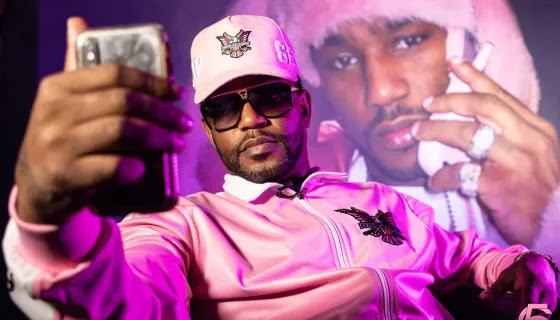
You’re likely aware of the recent clash between Cam’ron and Vic Mensa over comments about Africa. This exchange highlights not just their differing views, but also the broader issues of cultural representation in hip-hop. As both artists navigate their perspectives, it raises important questions about authenticity and responsibility. What does this conflict reveal about the way we discuss cultural identities today? The answers might surprise you.
The Spark: What Fueled the Clash Between Cam’ron and Vic Mensa?
The clash between Cam’ron and Vic Mensa ignited when Mensa made controversial remarks about Africa, prompting Cam’ron to respond sharply.
You can see how tensions escalated quickly as both artists took to social media, each defending their views passionately.
Mensa’s comments, perceived as misguided by many, seemed to challenge Africa’s cultural significance, which struck a nerve with Cam’ron.
You might notice how Cam’ron’s response wasn’t just a defense of Africa but also a reflection of his pride in the continent’s influence.
As their feud unfolded, fans and followers chimed in, fueling the fire.
This exchange highlights the importance of representation and respect, showing how quickly misunderstandings can spiral into heated debates in the world of hip-hop.
Cam’ron and Vic Mensa’s Perspectives on Africa’s Representation
As tensions simmered between Cam’ron and Vic Mensa, their perspectives on Africa’s representation became a focal point.
Cam’ron expressed skepticism about the media’s portrayal, suggesting many narratives oversimplify the continent’s complexity. He argued that Africa isn’t just a single story but a tapestry of diverse cultures and histories.
On the other hand, Vic Mensa emphasized the importance of recognizing Africa’s contributions to global culture, insisting that artists have a responsibility to honor and accurately depict its richness. He believes that misrepresentation can perpetuate harmful stereotypes.
This clash highlights a broader conversation about authenticity and respect in hip-hop, revealing how artists navigate their roles in portraying a continent often misunderstood.
Their differing views spark a necessary dialogue on representation.
How Social Media Amplifies Hip-Hop Narratives
While social media reshapes the landscape of hip-hop, it also amplifies various narratives that can either uplift or misrepresent artists and their communities.
You see, platforms like Twitter and Instagram give artists a direct line to fans, allowing them to share their stories authentically. However, this immediacy can lead to misunderstandings or misinterpretations. One tweet can spark outrage or support, influencing public perception almost instantly.
It’s a double-edged sword; while you can promote positive messages, misinformation can spread just as quickly. This dynamic creates an environment where narratives often shift rapidly, reflecting not only the artists’ intentions but also the reactions of a global audience.
With every post, hip-hop’s narrative continues to evolve, for better or worse.
Why Cultural Identity and Representation Matter?
Understanding cultural identity and representation is crucial, especially in a world where media shapes perceptions. When you see diverse cultures accurately portrayed, it fosters respect and understanding.
Representation influences how you view yourself and others, impacting your sense of belonging and self-worth. If you encounter stereotypes or misrepresentations, it can lead to harmful misconceptions and reinforce biases.
In hip-hop, artists like Cam’ron and Vic Mensa highlight these issues, showing that dialogue around identity is essential. Their clash emphasizes the need for authenticity in narratives about culture.
When voices from various backgrounds share their stories, it enriches the community and allows for a broader understanding of the human experience, ultimately promoting unity and acceptance in an increasingly globalized society.
Lessons Learned: Navigating Discourse in the Hip-Hop Community
The clash between Cam’ron and Vic Mensa illustrates how important it’s to navigate discourse thoughtfully within the hip-hop community. You’ll realize that conversations about culture and identity can spark intense reactions, and it’s crucial to approach these topics with sensitivity.
Listening actively and respecting differing viewpoints fosters a more inclusive dialogue. Remember, your words carry weight, and miscommunication can escalate misunderstandings. Engaging in constructive criticism rather than personal attacks can lead to meaningful exchanges.
Emphasizing empathy helps bridge gaps between perspectives. Ultimately, you can contribute to a richer conversation that uplifts voices rather than silences them. By prioritizing understanding, you help create a more harmonious environment in hip-hop, where everyone feels valued and heard.
Conclusion
In the clash between Cam’ron and Vic Mensa, you see how vital it is to engage thoughtfully with cultural representation. Both artists bring important perspectives, highlighting the complexities of Africa’s narratives. This exchange reminds you that social media can amplify voices, but it also demands responsibility in how you discuss identity. By learning from these dialogues, you can contribute to a more respectful and authentic understanding of cultures within the hip-hop community and beyond.
HOT NOW

Biggest Takeaways From Pooh Shiesty’s New Album ‘All Eyes On Shiest’

Lil Durk Hit With 4th Superseding Indictment Before Trial
Busta Rhymes Unveils J Dilla-Produced “SPAZZZ” Single

Lil Wayne Slides In ‘Teen Mom’ Rachel Beaver’s DM, She Was All For It

Foot Locker Teams Up With Method Man For Fresh Commercial Spot