-
 play_arrow
Seductive Vibes Radio For the Lovers… and the Lovers of Music

Lil Durk’s Legal Team Push Back Against Prosecutors Using Music Video In Trial
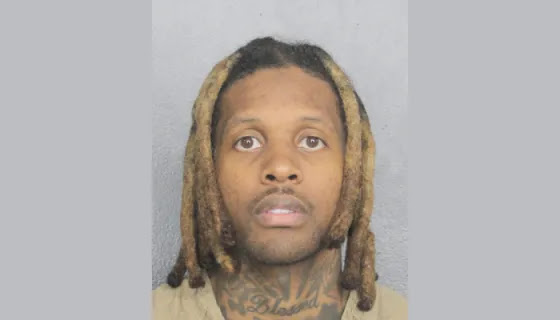
You might find it interesting how Lil Durk’s legal team is challenging the prosecution’s attempt to use his music video as evidence. They’re arguing that his lyrics and visuals are just artistic expression, not confessions of guilt. This raises important questions about the intersection of art and law. What could this case mean for other artists in the industry? The implications could be significant, and the discussion is just beginning.
Understanding the Charges Against Lil Durk: What’s at Stake?
As you dive into Lil Durk’s legal troubles, it’s crucial to grasp the seriousness of the charges he faces. He’s dealing with allegations that could lead to severe consequences, including significant prison time.
These charges revolve around gun possession and potential ties to violent incidents, which paint a troubling picture of his involvement. You should know that these accusations not only threaten his freedom but also his career and reputation.
The stakes are high, and the legal battles ahead will require strategic navigation. If convicted, the impact could ripple through his family, fans, and business ventures.
Understanding these charges is vital, as they frame the urgency of his legal team’s efforts to mitigate the fallout.
Music Videos as Court Evidence: How They’re Used
Lil Durk’s legal challenges highlight how music videos can become pivotal pieces of evidence in court. When prosecutors analyze these visuals, they often look for lyrics or imagery that may connect the artist to criminal activity.
You mightn’t realize it, but your favorite music video can serve as a double-edged sword. While they showcase artistic expression, they can also be scrutinized to establish intent or motive. Courts may interpret specific scenes or lyrics as admissions of guilt, complicating the artist’s defense.
This trend raises questions about the balance between creativity and accountability. As you consider the role of music in culture, remember that what you see on screen can have real-life implications beyond entertainment.
How Does Art Fit Into the Legal System?
While art often serves as a reflection of societal issues, it can intersect with the legal system in complex ways. You mightn’t realize that music, literature, and visual art can influence legal narratives.
Artists express personal and collective experiences, but their work can be scrutinized in court. Prosecutors may use artistic expressions to frame defendants’ intentions or character, raising questions about interpretation. This can blur the line between personal expression and criminal implication.
You might wonder if a song is merely fiction or a confession. As society grapples with these issues, understanding the role of art in legal contexts becomes crucial. It challenges you to think about freedom of expression versus accountability in the eyes of the law.
Potential Implications for Artists and the Music Industry
Given the growing scrutiny of artistic expression in legal contexts, artists and the music industry face significant implications.
When courts consider music and visuals as evidence, it raises concerns about creative freedom. You might find yourself questioning how far artistic expression can go without legal repercussions.
This trend could lead to self-censorship, where artists alter their content out of fear it might be misinterpreted in a courtroom. Additionally, labels and producers could tighten their grip on creative projects, prioritizing safety over innovative expression.
The relationship between art and law is becoming increasingly complex, potentially stifling the authenticity that defines your work. As the industry navigates these challenges, it’s crucial to advocate for the protection of artistic freedom.
Lil Durk’s Next Steps: What’s Happening With His Legal Team?
As Lil Durk’s legal team navigates ongoing challenges, they’re strategically assessing the best course of action to protect his interests. They’re currently reviewing evidence and gathering expert opinions to counter the prosecution’s claims.
By analyzing the music video in question, they aim to demonstrate its artistic nature rather than any alleged criminal implications.
Additionally, they’re exploring potential motions to dismiss or limit the use of the video in court, emphasizing its relevance. Communication with Lil Durk remains vital; they keep him informed about every step.
As the trial date approaches, expect them to ramp up their preparations, building a solid defense that highlights his artistic expression while challenging the prosecution’s narrative.
Conclusion
In conclusion, Lil Durk’s legal battle underscores the delicate balance between artistic expression and the law. As his team fights to keep his music separate from criminal allegations, it raises crucial questions about how art is perceived in court. The outcome could set a significant precedent for artists everywhere, highlighting the importance of protecting creative freedom. As this case unfolds, it’s essential to watch how it shapes the future of artistic expression in the legal landscape.

HOT NOW

Biggest Takeaways From Pooh Shiesty’s New Album ‘All Eyes On Shiest’

Lil Durk Hit With 4th Superseding Indictment Before Trial
Busta Rhymes Unveils J Dilla-Produced “SPAZZZ” Single

Lil Wayne Slides In ‘Teen Mom’ Rachel Beaver’s DM, She Was All For It

Foot Locker Teams Up With Method Man For Fresh Commercial Spot