-
 play_arrow
Seductive Vibes Radio For the Lovers… and the Lovers of Music

Grooves That Still Glow: A Seductive Vibes Radio Guide to Soul’s Golden Hour
-
-
 play_arrow
Just My Imagination (Running Away With Me) The Temptations
-
-
-
 play_arrow
Want Ads Honey Cone
-
-
-
 play_arrow
Mr. Big Stuff Jean Knight
-
-
-
 play_arrow
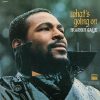
What's Going On Marvin Gaye
-
-
-
 play_arrow
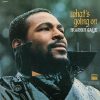
Mercy Mercy Me (The Ecology) Marvin Gaye
-
-
-
 play_arrow
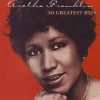
Spanish Harlem Aretha Franklin
-
-
-
 play_arrow
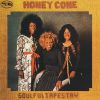
Stick Up Honey Cone
-
-
-
 play_arrow
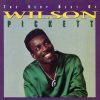
Don't Knock My Love Wilson Pickett
-
-
-
 play_arrow
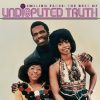
Smiling Faces Sometimes The Undisputed Truth
-
-
-
 play_arrow
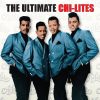
Have You Seen Her The Chi-Lites
-
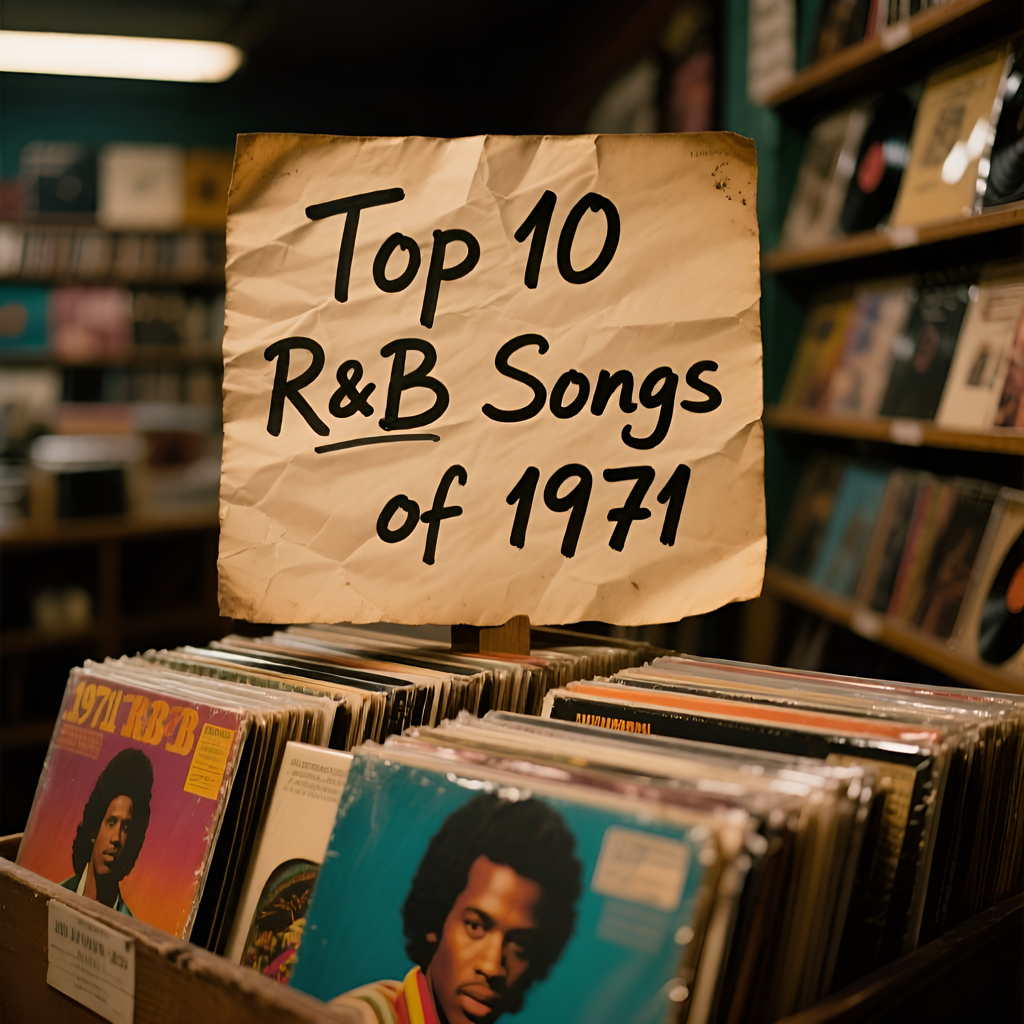
Top 10 R&B of 1971
At Seductive Vibes Radio, we love songs that do more than play in the background—they move through decades and still sound like headlines. This curated set of soul classics is more than a nostalgia trip; it’s a masterclass in melody, message, and cultural memory. From sweet heartbreak to social awakening, these tracks helped define the sound of Black American music in the late ’60s and early ’70s, and today they’re finding new life in playlists, samples, film soundtracks, and social feeds.
“Just My Imagination (Running Away With Me)” by The Temptations remains one of the group’s most elegant statements. Written by Norman Whitfield and Barrett Strong, the track pairs tender lyrics with a plush, almost cinematic arrangement. What makes it endure is its emotional restraint: the fantasy of love is more powerful because it never fully arrives. In a streaming era crowded with maximal hooks, this song’s softness feels radical. The Temptations, already Motown royalty by then, turned vulnerability into event-level art.
“Want Ads” by Honey Cone is pure radio gold—sharp, spirited, and unmistakably modern in attitude. Led by Edna Wright, the trio brought a feminist edge to the chart-topping soul-pop conversation. Its story of independence still resonates with listeners who want empowerment without losing the groove. Alongside current trends toward sleek retro-soul and confident breakup anthems, “Want Ads” feels newly relevant.
“Mr. Big Stuff” by Jean Knight took swagger and flipped it into a cultural catchphrase. Knight’s performance is playful, direct, and unbothered, which helped the track become a lasting anthem of self-respect. It’s the kind of song that continues to travel well across generations because it speaks in plain language with irresistible bounce.
Marvin Gaye changes the temperature with “What’s Going On” and “Mercy Mercy Me (The Ecology)”. A former Motown hitmaker with extraordinary range, Gaye became an architect of socially conscious soul. “What’s Going On” transformed protest music into something intimate and prayerful, while “Mercy Mercy Me” anticipated today’s climate anxieties with uncanny foresight. Both tracks are now central to conversations about music as civic language—proof that soul can be both beautiful and urgent.
Aretha Franklin’s “Spanish Harlem” is a lush reminder that interpretive power matters as much as composition. She takes the song and gives it spiritual gravity, a quality that still inspires vocalists across R&B and pop. Meanwhile, “Stick Up” by Honey Cone and “Don’t Knock My Love” by Wilson Pickett keep the pulse moving—one sly and self-possessed, the other brash and propulsive. Both reflect the era’s fascination with personality-forward soul.
“Smiling Faces Sometimes” by The Undisputed Truth channels paranoia into a haunting groove, a theme that fits today’s distrust of image culture and online performance. And “Have You Seen Her” by The Chi-Lites closes the loop with aching tenderness, showcasing how orchestral soul could make heartbreak feel monumental.
For listeners discovering these tracks now, the appeal is clear: emotional honesty, unmistakable musicianship, and a direct line to the roots of modern R&B, neo-soul, and sample-driven hip-hop. As classic soul continues to power anniversary reissues, vinyl revivals, and curated DJ sets, these songs prove that great writing never ages—it just finds new audiences.
That’s the Seductive Vibes Radio verdict: this is not just legacy music. It’s living culture, still shaping how we hear love, struggle, pride, and possibility.