-
 play_arrow
Seductive Vibes Radio For the Lovers… and the Lovers of Music

From Gospel Roots to Soul Royalty: Aretha Franklin’s Unmatched Vocal Legacy
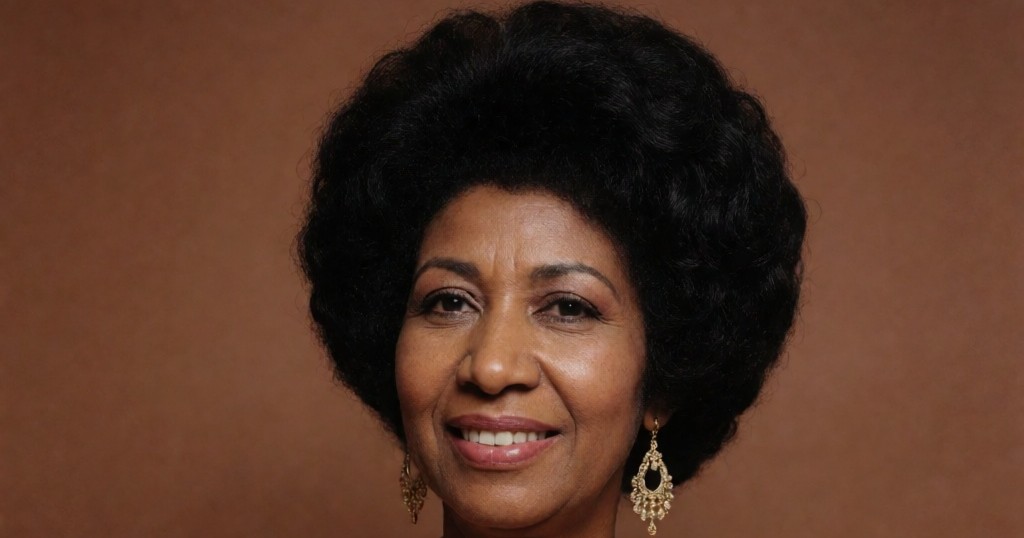
The Voice That Defined a Generation
Few artists have left an imprint on music as profound as Aretha Franklin. Known universally as the “Queen of Soul,” her voice transcended genres, eras, and cultural boundaries. Rolling Stone magazine recognized her extraordinary talent by naming her the greatest singer of all time—not once, but twice. Her ability to channel raw emotion, technical precision, and spiritual depth into every performance established her as an unrivaled force in American music history.
Franklin’s influence stretched far beyond the recording studio. She became a cultural icon whose music served as both personal expression and public rallying cry during pivotal moments in American history. Her journey from a young gospel singer in Detroit to an international superstar offers a masterclass in artistic evolution and authenticity.
The Foundation: Gospel Training at New Bethel Baptist Church
Aretha Franklin’s musical journey began in the most sacred of spaces—the church. Born in Memphis, Tennessee, she grew up as the fourth child of Reverend C.L. Franklin and Barbara Siggers Franklin. Her father served as pastor of New Bethel Baptist Church in Detroit, Michigan, where young Aretha’s vocal gifts first captivated audiences.
The church wasn’t simply a performance venue for Franklin; it was her conservatory. Gospel music provided the technical foundation and emotional vocabulary that would define her entire career. The call-and-response patterns, the improvisational freedom, and the spiritual intensity of gospel singing became permanent fixtures in her artistic identity.
Her father’s church attracted prominent figures in the gospel world, exposing Aretha to exceptional musicians and vocalists from an early age. This environment nurtured her natural talent while instilling a deep understanding of music’s power to move hearts and minds. These formative years singing gospel shaped not just her technique, but her entire approach to musical storytelling.
The Gospel-Soul Connection
What set Franklin apart from her contemporaries was her seamless blending of gospel traditions with secular forms. She didn’t abandon her roots when she transitioned to soul, pop, and rhythm and blues—she brought the church with her. Every note she sang carried the fervor and authenticity of her gospel training.
This fusion created something entirely new in popular music. Her recordings combined the improvisational brilliance of jazz, the rhythmic drive of R&B, the accessibility of pop, and the spiritual depth of gospel. The result was a sound that felt simultaneously intimate and universal, personal and anthemic.
A Voice of Many Dimensions
Franklin’s vocal instrument was remarkable for its versatility and range. She could be commanding and powerful, filling arenas with authoritative declarations. Yet she could also deliver moments of extraordinary tenderness and vulnerability that felt like whispered confidences. Her rhythmic sensibility was impeccable, and her improvisational skills were legendary—often showcasing multiple facets within a single performance.
This technical mastery never felt cold or calculated. Instead, Franklin used her abilities in service of emotional truth. Whether tackling themes of love, heartbreak, empowerment, or struggle, her voice communicated genuine feeling that resonated with millions of listeners worldwide.
Personal Declarations and Public Anthems
Franklin’s recordings occupied a unique space in popular culture. They served as deeply personal expressions while simultaneously becoming anthems for broader social movements. Her music spoke to individual experiences of joy, pain, and resilience while also giving voice to collective aspirations for dignity, respect, and equality.
This dual nature of her work—both personal and political, intimate and universal—helped establish Franklin as more than an entertainer. She became a voice for her generation, someone whose artistry reflected and shaped the cultural moment.
The Enduring Impact of the Queen of Soul
Aretha Franklin’s influence on music extends far beyond her own recordings. She changed the landscape of American music, opening doors for countless artists who followed. Her approach to vocal performance—passionate, technically brilliant, and emotionally fearless—set new standards for what popular singing could achieve.
The title “Queen of Soul” wasn’t mere marketing; it reflected her genuine reign over a genre she helped define and elevate. Her ascendancy to what some have called “rock and roll royalty” demonstrated music’s power to transcend categorization when delivered with sufficient passion and intensity.
From her teenage years singing in her father’s church to her status as one of music’s most respected and celebrated figures, Franklin never compromised her artistic vision. She remained true to the gospel foundations that shaped her while continuously evolving and expanding her musical palette.
A Legacy That Lives On
Aretha Franklin’s passing in August 2018 marked the end of an era, but her influence continues to reverberate throughout contemporary music. Today’s R&B, soul, and hip-hop artists still draw inspiration from her fearless approach to vocal expression and her commitment to authenticity.
For listeners tuning in to Seductive Vibes Radio, Franklin’s catalog offers an essential education in what makes great soul music timeless. Her recordings remain as powerful today as when they were first released, proving that genuine artistry never goes out of style. The Queen of Soul’s legacy reminds us that the most profound music comes from artists who honor their roots while fearlessly exploring new creative territory.
Sources


HOT NOW

When R&B Music Told a Story: The Golden Era of Love, Soul & Timeless Memories

Why Luther Vandross Remains the Blueprint for Modern Bedroom R&B Ballads

D’Angelo and the Neo-Soul Movement That Brought Raw Authenticity Back to R&B

From Gospel Roots to Soul Royalty: Aretha Franklin’s Unmatched Vocal Legacy

The Quiet Storm Revolution: How Smokey Robinson Redefined Intimate Radio Moments