-
 play_arrow
Seductive Vibes Radio For the Lovers… and the Lovers of Music

The Quiet Storm Revolution: How Smokey Robinson Redefined Intimate Radio Moments
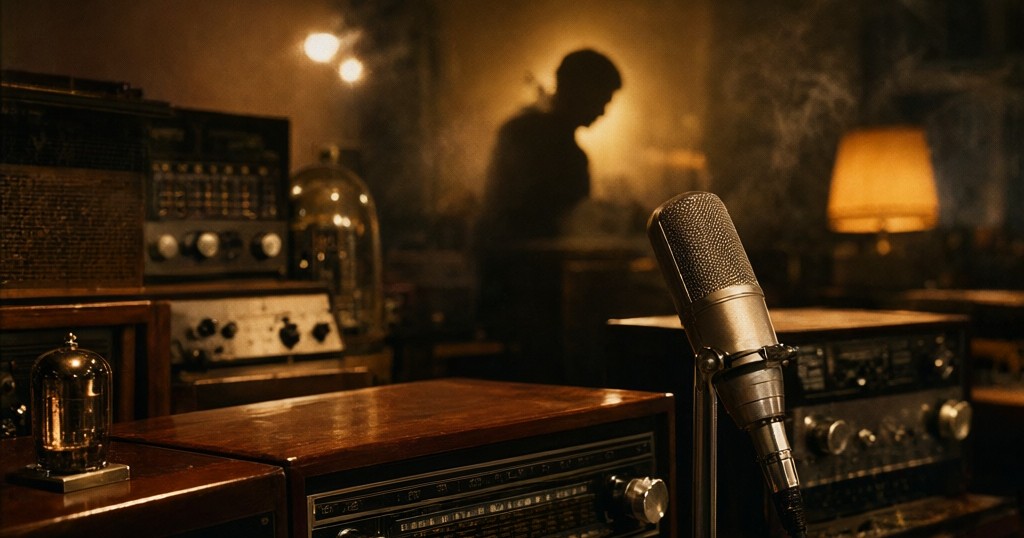
The Birth of a Sound That Changed Late-Night Listening
When Smokey Robinson released his album in 1975, no one could have predicted that it would do more than produce hit songs—it would fundamentally reshape the radio landscape. The project that emerged during this period became the foundation for an entirely new format that continues to dominate late-night airwaves decades later.
Before this pivotal moment, late-night radio followed predictable patterns. But Robinson, already a legendary figure as founder and frontman of the Miracles and a chief songwriter and producer at Motown since the group’s 1955 origins, had a different vision. He crafted something that went beyond traditional R&B, creating an atmosphere rather than just a collection of tracks.
More Than Music: Creating a Lifestyle
What made this work so revolutionary wasn’t simply the melodies or arrangements—it was the complete sensory experience Robinson engineered. The smooth production values, whisper-soft vocals, and lush instrumentation created an intimate sonic environment that felt like a private conversation between artist and listener.
This wasn’t just another album climbing the charts. Robinson defined a lifestyle through sound, one that embraced vulnerability, romance, and introspection. The velvety textures and understated arrangements invited listeners into a space where emotional honesty took center stage, setting a template that countless artists would follow.
The Radio Format That Followed
The impact extended far beyond record sales. Radio programmers recognized that this sonic aesthetic filled a specific need in their schedules. Late-night audiences craved something different from the high-energy programming of daytime hours—they wanted music that complemented quiet evenings, romantic moments, and reflective solitude.
Soon, stations across the country began dedicating late-evening time slots to this new approach. DJs adopted hushed, intimate delivery styles that matched the music’s mood. The format created a consistent atmosphere where listeners knew exactly what emotional space they were entering when they tuned in after dark.
The Signature Elements That Defined the Movement
Several key characteristics emerged as hallmarks of this radio revolution. First, the tempo stayed consistently mellow, with mid-tempo grooves replacing uptempo dance tracks. Second, production emphasized warmth and smoothness, with rich basslines and subtle instrumental touches creating enveloping soundscapes.
Vocal delivery became equally important. Artists working within this aesthetic favored restrained, emotionally nuanced performances over powerful belting. The focus shifted to subtlety and suggestion rather than overt declarations, mirroring the intimate nature of late-night listening.
Thematically, the music explored romance, longing, and emotional connection with sophisticated lyrical approaches. This wasn’t puppy love—it was adult contemporary R&B that spoke to mature relationships and complex feelings.
Smokey Robinson’s Enduring Influence
Robinson’s contribution to American music extends across multiple dimensions. His work with the Miracles established him as one of Motown’s most important architects, but this 1975 project demonstrated his ability to evolve and innovate even after achieving legendary status.
As both a songwriter and producer, Robinson understood how to craft material that balanced commercial appeal with artistic integrity. His smooth vocal delivery and gift for emotional storytelling made him the perfect artist to pioneer this new direction in R&B.
The Format’s Evolution and Contemporary Impact
Decades after its inception, the format Robinson inspired remains a fixture on radio stations nationwide. While musical styles have evolved and technology has transformed how audiences consume media, the fundamental appeal of this programming approach endures.
Modern stations like Seductive Vibes Radio continue this tradition, blending smooth R&B with complementary genres like hip hop and reggae while maintaining that essential late-night intimacy. The format has proven adaptable, incorporating contemporary artists while honoring the foundational aesthetic Robinson established.
Today’s listeners still respond to that same invitation: to slow down, connect emotionally, and experience music as something more than background noise. Whether streaming online or tuning in through traditional broadcasts, audiences seek out programming that creates that distinctive atmospheric experience.
Why the Revolution Still Matters
Understanding this musical revolution helps explain why certain radio formats persist despite changing technologies and listening habits. Robinson didn’t just create a popular album—he identified and fulfilled a fundamental human need for music that accompanies our most private moments.
The legacy lives on every time a DJ lowers their voice to introduce a set of smooth tracks, every time a listener settles into their evening with the perfect soundtrack, and every time an artist crafts a song designed to create intimacy rather than excitement.
For radio programmers and music lovers alike, recognizing this history enriches our appreciation of contemporary formats. The smooth R&B that fills late-night airwaves today traces its lineage directly back to Robinson’s innovative vision, proving that truly revolutionary art transcends its era to become timeless.
The Lasting Impact on Radio Culture
The transformation Robinson initiated changed not just what played on radio, but how stations approached programming philosophy. It demonstrated that audiences had diverse needs throughout the broadcast day, and that serving those needs required thoughtful curation and atmospheric consistency.
This insight influenced station branding, DJ training, and playlist construction across the industry. The concept of creating distinct dayparts with specific sonic identities became standard practice, with the late-night format serving as perhaps the most recognizable example.
More broadly, the movement validated R&B and soul music’s capacity for sophistication and nuance. It proved that commercially successful radio could also be artistically ambitious, paving the way for generations of artists who prioritized atmosphere and emotion over conventional hit-making formulas.
Sources

HOT NOW

When R&B Music Told a Story: The Golden Era of Love, Soul & Timeless Memories

Why Luther Vandross Remains the Blueprint for Modern Bedroom R&B Ballads

D’Angelo and the Neo-Soul Movement That Brought Raw Authenticity Back to R&B

From Gospel Roots to Soul Royalty: Aretha Franklin’s Unmatched Vocal Legacy

The Quiet Storm Revolution: How Smokey Robinson Redefined Intimate Radio Moments