-
 play_arrow
Seductive Vibes Radio For the Lovers… and the Lovers of Music

Finesse2Tymes Crashes Out Over Alleged $40K Bone Thugs-N-Harmony Sample Fee
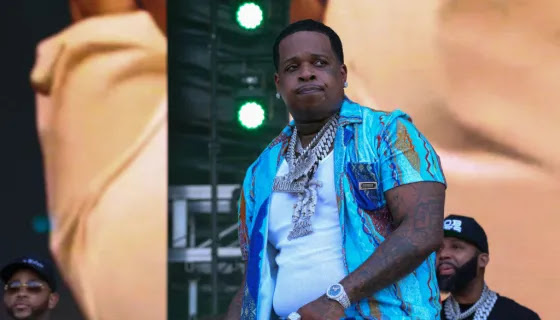
You might have heard about Finesse2Tymes’ recent outcry over a staggering $40,000 sample fee for using a Bone Thugs-N-Harmony track. This situation raises serious questions about the strain such costs put on emerging artists. As creativity battles financial hurdles, what does this mean for the future of music? The implications are broad, and they touch on the very essence of artistic expression in today’s industry landscape.
What Happened With Finesse2tymes and Bone Thugs-N-Harmony?
Finesse2Tymes recently found himself in a heated dispute with Bone Thugs-N-Harmony over a sample fee that spiraled out of control.
You might’ve heard the buzz—it all started when Finesse2Tymes sought permission to use a classic Bone Thugs track. Initially, things seemed straightforward, but as discussions continued, tensions rose.
The two parties couldn’t agree on terms, and frustrations mounted. You can imagine the stakes; both sides were passionate about their work.
While Finesse2Tymes aimed to honor the legacy of the group, he felt the financial demands were unreasonable.
As the conflict escalated, it became a public spectacle, drawing attention from fans and industry insiders alike.
You could sense that both artists wanted to resolve this but struggled to find common ground.
Understanding the $40,000 Sample Fee Controversy
While navigating the murky waters of music sampling, many artists find themselves grappling with hefty fees, and the $40,000 demand in Finesse2Tymes’ case is no exception.
Sampling, which allows you to incorporate snippets of existing songs into new tracks, often comes with steep costs. This fee reflects the original artists’ rights, ensuring they’re compensated for their work.
The complexity of music licensing can lead to misunderstandings, especially when both parties have different expectations. For Finesse2Tymes, this hefty price tag raises questions about the value of artistic collaboration versus financial burdens.
You might wonder how such high fees are justified and what it means for emerging artists trying to make their mark in an already competitive industry.
Finesse2Tymes’ Reaction to the Sample Fee
Faced with the staggering $40,000 sample fee, Finesse2Tymes expressed his frustration and disbelief. He couldn’t believe how high the cost was for a sample that could elevate his music.
In a recent interview, he vented about the challenges emerging artists face in the industry, feeling that such fees are discouraging and unrealistic. He argued that these financial barriers stifle creativity and limit opportunities for new talent.
Finesse2Tymes highlighted that instead of fostering artistic expression, the industry seems more focused on profit. His candid remarks resonated with many, as he called for a more supportive environment for artists trying to break through.
It’s clear he wants to pave a way that’s more accessible for future generations.
The Impact of Sampling Fees on Emerging Artists
Many emerging artists find themselves stifled by the exorbitant sampling fees that dominate the music industry. When you’re just starting out, these fees can feel like an insurmountable barrier, limiting your creative expression and growth.
You might’ve a brilliant idea that pays homage to a classic track, but a $40K fee can crush those dreams before they even begin. This financial burden pushes many artists to either forgo sampling altogether or settle for cheap alternatives that don’t resonate with their vision.
Unfortunately, without the ability to sample, you risk losing the rich musical tapestry that defines contemporary sound. Ultimately, high sampling fees can hinder innovation and block talented voices from reaching their potential in the industry.
Legal Challenges in Music Sampling
As you navigate the complex landscape of music sampling, legal challenges can quickly emerge, complicating your creative process. You might face copyright infringement claims if you sample without permission, risking hefty fines or legal battles.
It’s crucial to understand that even a few seconds of a track can be protected under copyright law. Additionally, negotiating sample licenses can be tricky and expensive, often requiring you to consult legal experts to ensure compliance.
Failing to obtain the necessary rights can lead to your work being pulled from distribution or facing lawsuits. Ultimately, being aware of these legal hurdles helps you avoid costly mistakes and allows you to focus on your artistry while respecting the rights of original creators.
The Influence of Sampling on Creativity
Navigating the legal challenges of music sampling can sometimes feel overwhelming, but it’s also an opportunity to explore your creativity.
When you sample, you’re not just borrowing a sound; you’re reinterpreting it, breathing new life into old music. This process can inspire fresh ideas, pushing you to experiment with different genres and styles. You might find that a classic beat sparks a whole new concept for your track.
Additionally, sampling connects generations of music, allowing you to pay homage to artists who paved the way while making something uniquely yours. Embracing sampling can lead to unexpected collaborations and innovative soundscapes, ultimately enriching your artistic expression and broadening your musical horizons.
How Are Fans Reacting to the Sampling Controversy?
While some fans passionately defend the practice of sampling as a vital part of music culture, others express frustration over the legal disputes it can spark. You might find yourself torn between appreciation for the creativity sampling brings and the annoyance of skyrocketing fees.
Many argue that artists should be able to use samples freely, citing how it enriches the music landscape. On the flip side, you might see comments criticizing Finesse2Tymes for not securing proper rights, fueling the debate about respect and ownership in the industry.
As discussions unfold online, fans are vocal, sharing their opinions through social media, with hashtags trending and heated conversations igniting. This controversy highlights the tension between artistic expression and legal boundaries, keeping fans engaged and divided.
How Veteran Artists Shape Sampling Trends
Veteran artists play a crucial role in shaping sampling trends, often setting the standard for how new musicians approach this art form. When you listen to tracks from legends like Jay-Z or Nas, you can feel their influence in contemporary music.
They not only introduce innovative sounds but also highlight the importance of respecting original works. As you explore new music, you might notice how these established artists pave the way for sampling techniques, encouraging others to experiment with styles and genres.
Their creative choices inspire you, pushing boundaries while maintaining a connection to the past. Ultimately, their mastery of sampling encourages you to think critically about your own work, making you appreciate the rich history behind each sample used in modern tracks.
Solutions for High Sample Fees?
The impact of veteran artists on sampling trends often highlights a growing challenge for newer musicians: the high fees associated with obtaining sample rights.
To tackle this issue, consider using royalty-free samples or exploring platforms that offer affordable licensing options. Collaborating with independent artists can also yield original sounds without hefty fees.
If you’re set on a particular sample, negotiate with the rights holder; sometimes, they’re open to lower fees for upcoming talent. You might also explore creating your own beats inspired by the original work, which can provide a fresh take while avoiding legal pitfalls.
Lastly, joining a music collective can boost your visibility and attract partnerships, helping you navigate the sampling landscape more effectively.
Future Trends in Hip-Hop Sampling Practices
As hip-hop continues to evolve, emerging artists are reshaping sampling practices by leveraging technology and creative collaboration.
You’ll notice a rise in affordable digital tools that make sampling more accessible than ever. Artists are turning to artificial intelligence and software that can recreate sounds without needing to clear samples, which can cut costs significantly.
Furthermore, collaborative projects between artists and producers are becoming more common, fostering unique blends of styles and sounds. You might also see an increase in the use of public domain tracks and original compositions, allowing artists to navigate around high fees.
Conclusion
In light of Finesse2Tymes’ frustration over the $40,000 sample fee, it’s clear that the music industry needs to rethink its approach to sampling. The financial burdens on emerging artists can stifle creativity and limit opportunities. As fans and creators alike call for change, we should support initiatives that promote fairer practices in sampling. By fostering a more inclusive environment, we can ensure that new talent thrives and continues to innovate in hip-hop and beyond.
HOT NOW

Biggest Takeaways From Pooh Shiesty’s New Album ‘All Eyes On Shiest’

Lil Durk Hit With 4th Superseding Indictment Before Trial
Busta Rhymes Unveils J Dilla-Produced “SPAZZZ” Single

Lil Wayne Slides In ‘Teen Mom’ Rachel Beaver’s DM, She Was All For It

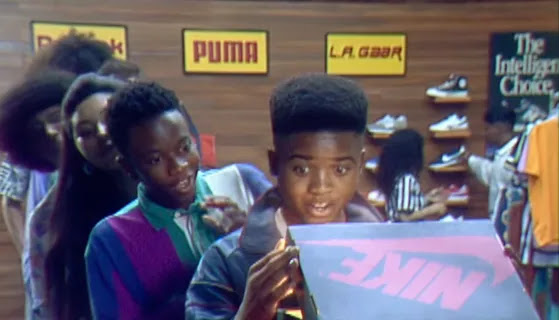
Foot Locker Teams Up With Method Man For Fresh Commercial Spot




Post comments (0)